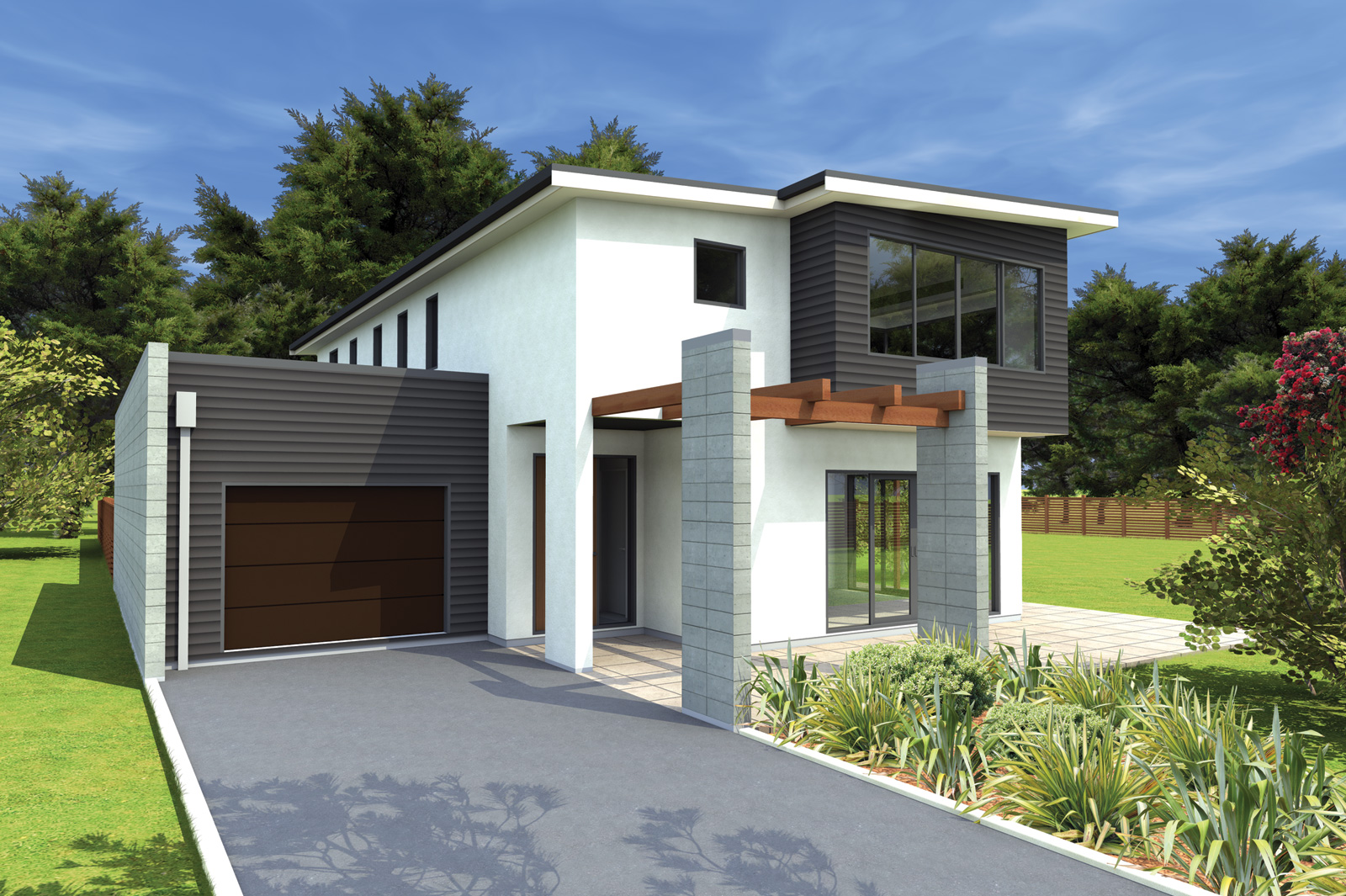
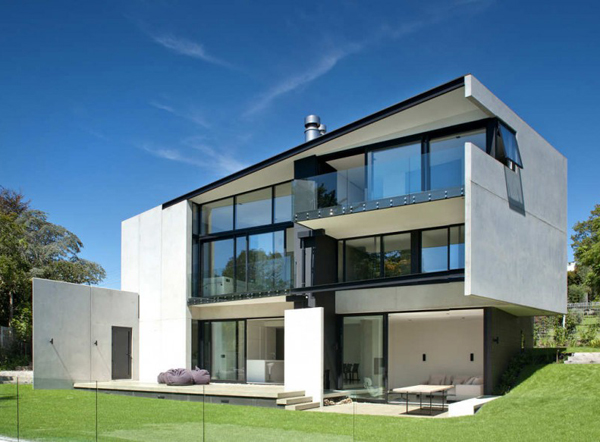
Exploring modern designs in new homes is a pivotal part of creating a living space that is both aesthetically pleasing and practically functional. Today’s homeowners are seeking innovative ways to optimize their living experience and create homes that reflect their individual styles and lifestyles, from sleek minimalist spaces to sprawling open-concept layouts. This exploration delves into the key design elements and trends driving new home construction, addressing common concerns homeowners face during the design process and offering practical solutions for realizing your dream home. This article will cover sustainable building practices, smart home integration, and interior design trends, giving you a comprehensive overview of the modern design landscape. We’ll also touch upon the concept of maximizing space in a modern home and using technology to enhance everyday life.
The Importance of Sustainable Building Practices in Modern Homes
Sustainable Materials and Eco-Friendly Choices
Sustainable building practices are becoming increasingly important as homeowners prioritize environmental consciousness and long-term cost savings. Incorporating sustainable materials in new construction is not only environmentally responsible but also often results in lower utility bills and improved indoor air quality. Using recycled or reclaimed materials, opting for locally sourced timber, or employing energy-efficient windows and insulation can significantly contribute to the overall sustainability of a new home. Examples include using bamboo flooring or reclaimed wood accents, or installing solar panels and rain harvesting systems. The use of sustainable materials in home construction is a growing trend that contributes to eco-friendly designs and reduces environmental impact, and is directly influenced by growing environmental awareness and concerns.
Energy Efficiency Measures
Beyond materials, energy efficiency measures play a crucial role in modern, sustainable home design. This includes strategically placing windows to maximize natural light and minimize energy consumption. Using highly insulated walls and roofs, selecting energy-efficient appliances, and exploring passive solar design principles are key considerations. By employing these methods, homeowners can create a comfortable and stylish home while reducing their environmental footprint. For instance, installing highly efficient LED lighting can make a noticeable difference in energy consumption.
Smart Home Integration
Homeowners are increasingly integrating smart home technologies into their new builds. Smart lighting systems can adjust to ambient conditions and user preferences. Smart thermostats can learn individual schedules and regulate temperature automatically, optimizing energy efficiency. Smart security systems can monitor and alert users to potential threats, offering peace of mind and convenience. Consider integrating automated lighting and temperature controls to create intelligent responses to the homeowner’s presence or absence.
Open-Concept Living Spaces and their Impact
Maximizing Space and Functionality
The desire for open-concept living spaces in new homes is rapidly increasing, as homeowners seek seamless transitions between different living areas. This layout creates a sense of spaciousness and allows for greater interaction between family members and guests. Furthermore, open-concept living spaces can be customized to meet individual needs and preferences, allowing for flexible arrangements for future changes. Open-concept designs tend to create the illusion of more space which is a great choice for urban homes, or homes with smaller lots. This has a positive influence on the perceived size of the house, which is an attractive point for prospective homeowners.
Design Considerations for Open-Concept Layouts
Careful consideration is crucial in designing open-concept spaces. Integrating visual barriers like unique wall treatments, varying flooring materials, or strategically placed furniture can separate different areas while maintaining a sense of unity. Proper lighting is also vital to delineate areas and highlight key architectural features. For example, the use of unique wallpaper or patterned flooring can provide a visual divide between a living room and dining area.
Technological Advancements in Modern Homes
Technological advancements are enabling homeowners to personalize and optimize their open-concept living spaces. The use of smart lighting systems and motorized window coverings can create different moods and ambiance depending on the need of the home-owner. Home automation systems also allow control of numerous features with a single device or application. Examples of these technologies include smart lighting, automated blinds, and smart doorbells.
Interior Design Trends Influencing Modern Homes
Minimalist and Scandinavian Aesthetics
Minimalist and Scandinavian aesthetics are gaining popularity in modern home design. This approach emphasizes clean lines, neutral color palettes, and natural materials. The focus is on simplicity and functionality, creating a serene and uncluttered atmosphere. An example of this trend is seen in the use of minimalist furniture design and neutral color schemes.
Modern Farmhouse Influence
The modern farmhouse style is also gaining traction in new homes. This style blends modern features with rustic elements, incorporating natural textures and warm color palettes. This style often utilizes exposed beams, natural materials, and farmhouse-inspired accents. An example of this approach is seen through reclaimed wood or brick accents combined with modern furnishings.
Sustainable Materials for Modern Interiors
The use of sustainable materials is expanding beyond construction to interior design. From bamboo flooring to recycled glass countertops, homeowners are actively seeking eco-friendly alternatives. The demand for renewable materials in design will likely continue to grow as home-owners and businesses alike place increasing value on ecological considerations.
Smart Home Technologies for Enhanced Convenience
Integrating Technology into Daily Life
Smart home technology is becoming increasingly integrated into the design of modern new homes. Integration with voice assistants enables voice commands for various tasks, like controlling lights, adjusting the thermostat, and playing music. This enhances convenience and streamlines daily routines. Using smart locks and security systems offer peace of mind by ensuring the safety and security of the home. Integration of such technology creates a seamless home environment for the owner.
Automation Systems and Voice Control
Automation systems in modern homes automate routine tasks and create a highly personalized living experience. Homeowners can control numerous features with a simple voice command or using a smartphone app. This helps maximize comfort and convenience in daily life. Using a voice assistant to adjust the thermostat or control the lights is a simple example.
Future-Proofing Your New Home Design
Investing in smart home technology can help future-proof your design. As technology evolves, these systems can be easily upgraded and adapted to meet future needs.
Maximizing Space in Modern New Homes
Open Floor Plans and Multi-Functional Spaces
Open floor plans are becoming increasingly popular in modern homes, maximizing space and fostering a sense of openness. These layouts promote interaction between different parts of the home and create a larger, more inviting feel. Using multi-functional spaces is also important to consider for smaller homes, by incorporating furniture pieces that can serve multiple purposes; this maximizes space while maintaining a cohesive home design.
Modular Furniture and Flexible Configurations
Modular furniture and flexible configurations allow homeowners to adapt their spaces to changing needs over time. This provides a practical way to maintain a spacious feel while still providing multiple uses for individual areas of the home. Using furniture pieces that are easily disassembled or reconfigured provides homeowners with more design flexibility.
Strategic Use of Storage Solutions
Integrating efficient storage solutions is paramount in modern, space-conscious homes. Built-in cabinetry, hidden storage compartments, and multi-purpose furniture help maximize storage capacity without sacrificing the aesthetic appeal of the space. Creative storage solutions like shelving units or ottomans with built-in storage can provide optimal solutions for this issue.
Choosing the Right Materials for Modern Homes
Sustainable Materials for Long-Term Value
When choosing materials for modern homes, sustainable options are often the most suitable choice. Sustainable materials, from bamboo to reclaimed wood, often minimize environmental impact while also offering lasting value and longevity. Sustainable materials can often result in lower operating costs over time. Furthermore, many materials are readily available from local suppliers, reducing shipping costs and supporting local economies.
Material Selection and Budget Constraints
Balancing material choices with budget considerations is an essential aspect of any home design project. High-quality sustainable materials can sometimes come at a higher price point, but often lead to more long-term value. Finding a balance between affordability and sustainability is essential in creating a harmonious solution for the homeowner.
Aesthetics and Functionality with Modern Materials
Modern materials should blend seamlessly into the aesthetic of the home while also providing long-term durability and performance. Choosing versatile materials that can work across different design styles and budgets is important. Modern materials like reclaimed wood, concrete, and steel are often attractive and functional choices for achieving a modern aesthetic.
In conclusion, exploring modern designs in new homes is a journey of embracing innovation and style. From sustainable materials to smart home technology, these elements combine to create homes that are not only aesthetically pleasing but also practical and future-proof. By considering these key elements and trends, homeowners can embark on a fulfilling and rewarding home design experience that reflects their personal style and lifestyle. Ready to start your design journey? Contact us today for a consultation!