
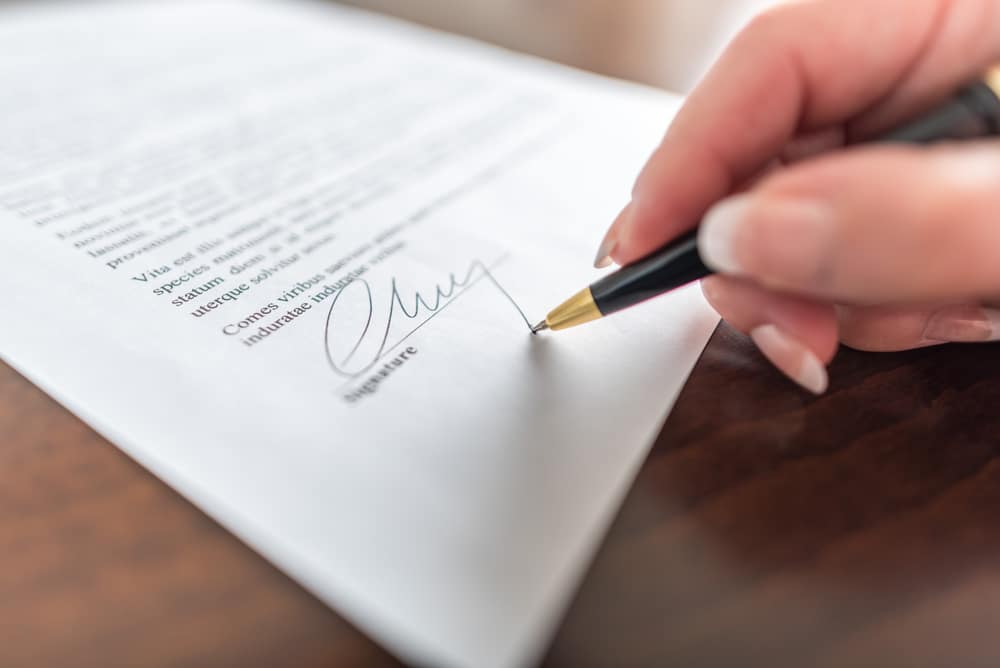
Renting a house is a significant life decision, so it’s crucial to approach the process with careful consideration. Before signing a lease, understanding your rights and obligations, and knowing what querys to ask will pave the way for a positive living experience. This thorough guide dives deep into what you need to know before signing that lease. We’ll discuss crucial points such as the lease agreement, landlord responsibilities, and your own rights as a tenant. We’ll also offer you with a checklist to ensure a smooth transition and minimize potential problems. This article will cover what to expect during the renting process, from initial contact to finalizing the lease agreement.
Understanding the Lease Agreement
Key Elements of a Lease
Before signing any contract, thoroughly review the entire lease agreement. Misunderstanding even a single clause can lead to problems down the road. Look for specific clauses detailing payment terms, late fees, pet policies, and maintenance responsibilities. Ensure the lease outlines the terms for breaking the agreement, including penalties for early termination. Example: A clause might specify that if the tenant needs to vacate before the end of the lease period, they would face a penalty, like a payment of one month’s rent or the equivalent amount.
Landlord Responsibilities
Maintaining the Property
A landlord has legal obligations regarding property maintenance. A crucial facet is the responsibility to maintain the property in a habitable condition. This includes fixing plumbing problems, ensuring the structural integrity of the building, and addressing any safety concerns, such as broken stairs, inadequate heating, or electrical issues. Example: If a leaky roof damages the apartment interior, the landlord is legally obligated to repair it.
Tenant Rights
Protecting Your Interests
As a tenant, you have specific rights and protections under the law. Understanding these rights is essential to ensure fair treatment. Some common tenant rights include the right to quiet enjoyment of the property, protection from illegal discrimination, and the right to receive appropriate notice regarding repairs or other actions by the landlord. Example: A tenant has the right to not be discriminated against based on race, religion, gender, or other protected categories, as determined by local and federal laws.
Financial Considerations
Budgeting and Payments
Moving into a new rental property involves careful financial planning. The total cost of rent, including security deposits, utility payments, and potential additional fees, should fit comfortably into your budget. Thoroughly consider all costs before making any commitments. Example: Be upfront about your budget to ensure realistic expectations and avoid potential future financial strains. Calculate the overall cost of rent, utilities, and other payments like parking, internet, etc.
Essential Pre-Signing Checklist
Steps to a Smooth Transition
Before signing a lease, review the property thoroughly. Conduct a pre-move-in inspection and have a list of issues ready to be addressed before signing. Take photos of any pre-existing conditions to have evidence. Inspect for any potential safety hazards such as faulty electrical wiring or loose railings. Ensure all appliances, plumbing fixtures, and systems are functioning correctly. Example: Inspect the overall condition of the property, from fixtures to electrical systems, and document any necessary repairs needed by the landlord.
Legal Considerations
Understanding Tenant Rights
The legal framework surrounding renting a house can vary by location. Understanding these local regulations, including tenant laws, is crucial for navigating the rental process smoothly. Reviewing local housing laws can help tenants understand and protect their legal rights.
Communication
Clear Communication
Establish effective communication channels with the landlord. Open communication channels are essential for any tenancy issues, maintenance problems, or concerns. Effective communication and collaboration are key to a positive renting experience.
Additional Factors
crucial Considerations
Consider factors like property location, neighborhood safety, and proximity to amenities such as schools and public transportation before committing to a house. If possible, tour the property with a trusted friend or family member.
Inspection
crucial Documentation
Thoroughly inspect the property and document any existing damages or conditions. These inspections protect your interests and ensure a fair transaction. This will help document the condition of the property before moving in and help avoid disputes later on.
Finally, renting a house is a significant financial commitment. Thorough study, careful consideration, and open communication are key to a smooth transition. Before signing any lease agreement, ensure you understand all the terms and conditions, have a clear understanding of the landlord’s expectations, and have all your querys answered. By following these steps, you’ll be well-prepared to avoid potential issues and enjoy your new home with peace of mind. Contact a real estate professional for further guidance or assistance with navigating the entire rental process and avoid costly mistakes. Learn more about tenant rights and responsibilities to ensure a positive renting experience.