Designing your retail space to drive sales is a crucial component of achievement in the rival retail landscape. A well-designed retail space can transform a simple shopping experience into a memorable and engaging encounter for customers, ultimately boosting revenue and establishing a strong brand presence. This crucial facet encompasses a scope of considerations from the initial store layout to the final visual merchandising. Many retailers face challenges with low foot traffic, dwindling sales, and a lack of customer engagement; a well-planned store design can overcome these obstacles. This article will explore various strategies to design your retail space effectively. We’ll delve into crucial facets such as understanding your target industry, crafting a compelling visual aesthetic, and leveraging the principles of effective product placement. We will also touch upon the importance of incorporating technology and considering sustainability facets to create a dynamic and appealing space.
Understanding Your Target industry
determineing Customer Needs
Understanding your target industry is paramount for designing a retail space that resonates with customers. Thorough industry study and customer surveys are essential steps. Analyze your customer demographics, their shopping habits, preferences, and expectations. If your target industry is young professionals, for example, your design might prioritize a modern and stylish aesthetic. Conversely, if you target families, you might incorporate family-friendly attributes and wider aisles. Consider their needs, their buying behavior, and even their personal values—these factors play a major function in creating a positive and effective shopping experience for them.
Customer Journey Mapping
Mapping out the customer journey within your store helps to understand their flow and pinpoint areas for improvement. Observe how customers navigate the space, where they spend the most time, and where they might feel frustrated. This information can then be used to strategize store layout, product placement, and overall customer service touchpoints to make the shopping experience more enjoyable.
Creating a Compelling Visual Aesthetic
Visual Merchandising Strategies
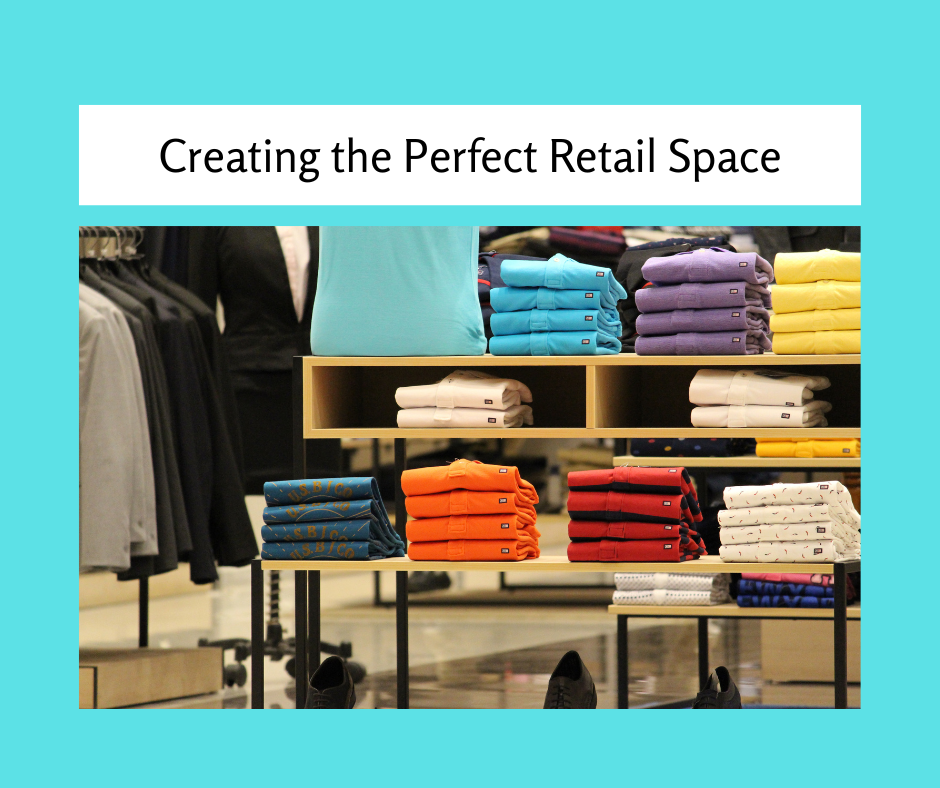
Visual merchandising is a powerful tool for captivating customers’ attention and enhancing the shopping experience. Utilizing thoughtful and strategic displays can make a world of difference. High-quality product photography, strategic lighting, and appealing displays can transform a simple shelf into a compelling focal point. Using varied textures, colors, and lighting techniques to showcase varied categories in ways that draw customers to your specific products is crucial. Effective visual merchandising extends beyond simply arranging products on shelves. It involves understanding the psychology of visual stimulation and how varied elements interact to convey a message and boost sales.
Creating a Cohesive Brand Identity
Maintaining a consistent brand identity across all facets of the retail space is essential. The color palette, signage, and overall ambiance should align seamlessly with your brand’s identity to create a cohesive experience for customers. A recognizable visual language helps establish brand recognition and strengthens customer loyalty. For example, if your brand is associated with luxury and sophistication, use high-end materials and understated elegance to define the space. Consistency is vital for creating a memorable brand experience.
Strategic Product Placement
Maximizing Visibility
Strategic product placement is vital for driving sales. Understanding how customers browse and purchase is crucial. High-demand items or optimal-sellers should be prominently displayed at eye-level to maximize visibility. Place complementary items together and consider the ‘impulse buy’ factor. Positioning items in proximity to other popular items or items that customers frequently purchase together significantly boosts sales. A well-organized store floor plan helps customers locate products more easily and quickly.
Optimizing Traffic Flow
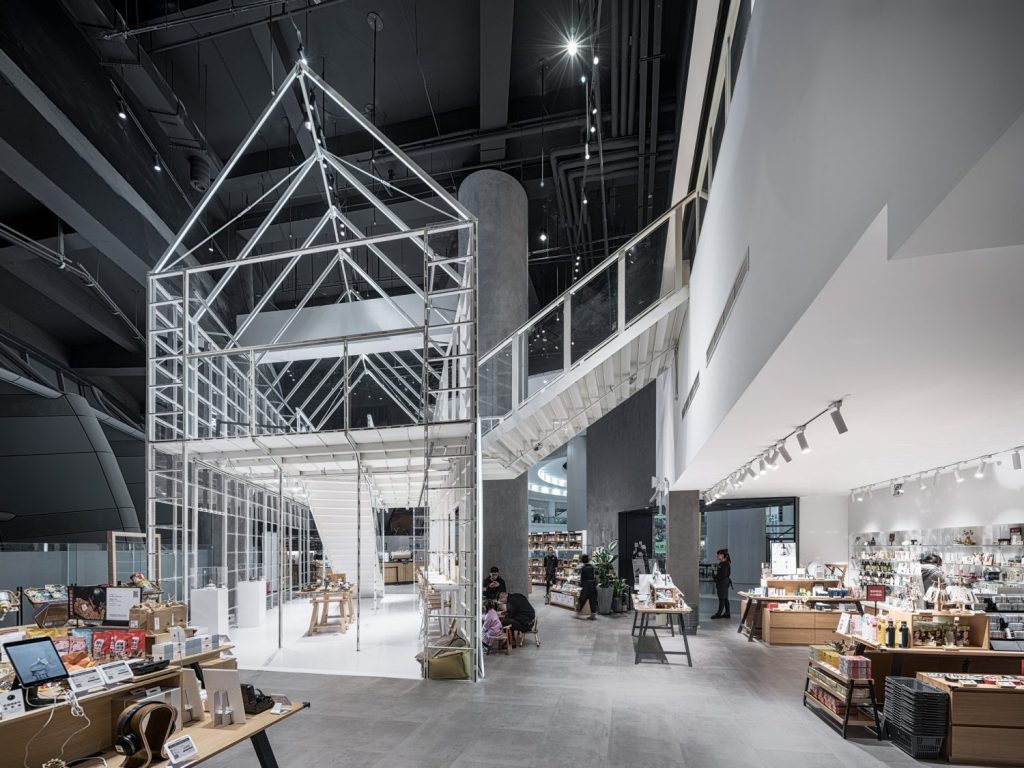
Optimizing traffic flow throughout the store minimizes customer confusion and maximizes sales. Design the space with clear pathways to prevent bottlenecks and allow for easy navigation. Position key products in places where customers are most likely to see and reach them. Place merchandise for high-traffic areas and strategically place items in various locations for wider product discovery. Efficient store layouts encourage exploration and purchase decisions.
Leveraging Technology
Interactive Displays
Integrating technology into your retail space can significantly enhance customer experience. Interactive displays, augmented reality (AR) experiences, or digital signage that showcase new products, promotions, or information can capture customer attention and offer valuable insights. These experiences can transform the shopping experience from passive to interactive, thereby improving customer engagement. A compelling AR experience can draw customers into a shop and enhance their experience while promoting engagement with your brand.
Implementing Digital Tools for Efficiency
Optimizing store operations through technology is crucial. Point-of-sale systems, inventory management software, and customer relationship management (CRM) systems can streamline operations and offer valuable data for informed decision-making. Using customer data insights allows for targeted industrying and personalized recommendations. Using digital tools to gather data can significantly improve store efficiency and reduce costs.
Integrating Sustainability into Your Design
Sustainable Design Choices
Incorporating eco-friendly design choices is essential to appeal to environmentally conscious consumers. Sustainable materials like reclaimed wood or recycled glass add appeal and appeal to the growing number of environmentally conscious consumers. Reducing your store’s environmental impact is crucial for promoting your brand’s values and demonstrating a commitment to the sustainability movement and ethical sourcing.
Reducing Environmental Footprint
Implementing energy-efficient lighting systems, using recycled materials, and minimizing waste through proper inventory management reduces the store’s environmental footprint. These strategies are not just environmentally responsible; they also resonate positively with environmentally aware customers. By considering sustainability, you can reduce your store’s environmental impact and create a more positive brand image.
Creating a Memorable Customer Experience
Exceptional Customer Service
Providing exceptional customer service is essential for establishing lasting relationships with customers. Friendly and helpful staff, prompt assistance, and a willingness to address customer concerns positively influence customer satisfaction. Investing in staff training and fostering a positive customer service approach boosts customer loyalty and fosters a positive shopping environment.
Creating an Atmosphere of Welcome
Creating a welcoming and comfortable atmosphere in your store fosters a positive shopping experience. Warm lighting, pleasant music, and comfortable seating areas enhance customers’ overall perception of the store. This type of environment promotes customer engagement and encourages exploration and purchasing decisions.
Conclusion (to be added later)
FAQ (to be added later)
industrying and Promotions (to be added later)
Creating Effective Promotion Strategies
Developing engaging industrying strategies is critical in driving sales. Consider how promotions can influence purchase decisions and elevate the retail experience. This could include in-store demonstrations, exclusive offers, limited-time deals, or seasonal promotions. These strategies are vital to keeping customers excited about your offerings and coming back repeatedly for more.
Leveraging Digital industrying Channels
Leveraging digital industrying channels such as social media, email campaigns, and online advertising are key for reaching a wider audience and promoting your products and promotions. Using appropriate search engine optimization and targeting approachs will help you enhance visibility and convert your potential customers into loyal buyers.
In conclusion, designing your retail space to drive sales is a multifaceted process requiring careful planning and execution. By focusing on customer experience, strategic product placement, and a visually appealing environment, retailers can significantly boost sales. Remember to adapt your strategies to the specific needs and preferences of your target audience. For further assistance, consult with interior design professionals and industrying experts to create a winning retail space.